AI stocks drop: Worst news for investors amid inflation fears
AI stocks drop after a hot inflation report raises rate hike bets.
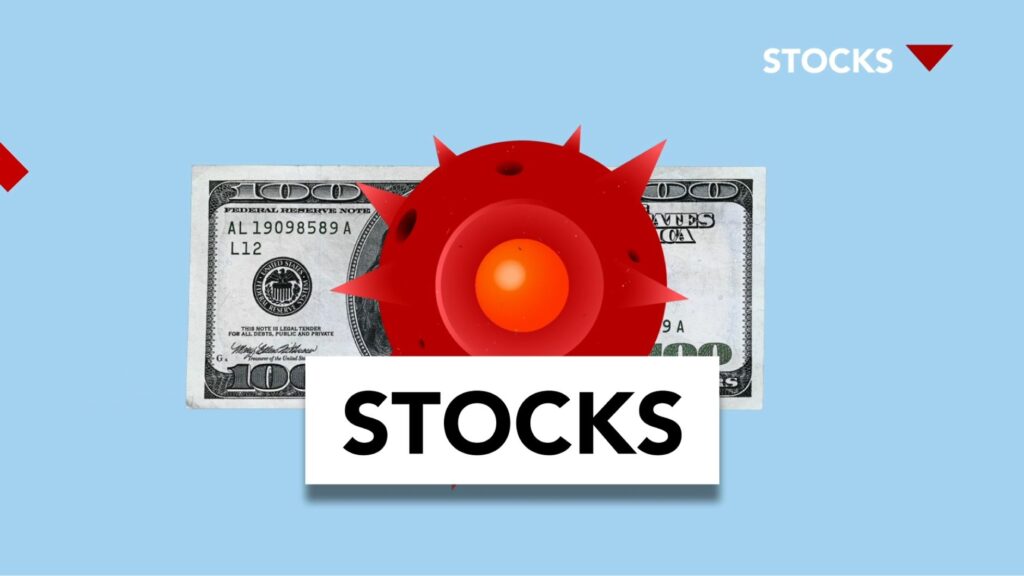
AI stocks drop significantly in response to the recent inflation report. Investors are reacting to the heightened expectations of Federal Reserve rate hikes, creating uncertainty in the market.
Understanding the Inflation Report
The release of the latest inflation report has sent shockwaves through the stock market, particularly impacting AI stocks. Investors have reacted strongly to the data, which indicates that inflation remains persistently high, raising concerns about potential interest rate hikes by the Federal Reserve.
Analysts suggest that the report’s findings could lead to a more aggressive approach from the Fed, which would increase borrowing costs and potentially slow economic growth. This scenario is particularly troubling for technology sectors, including AI, where growth is often fueled by cheap capital.
In light of these developments, many investors are reassessing their positions. The following factors are contributing to the downward trend in AI stocks:
- Interest Rate Hikes: Higher rates can dampen investment in high-growth sectors.
- Market Sentiment: Fear and uncertainty lead to sell-offs as investors seek safer assets.
- Valuation Concerns: Many AI companies have seen inflated valuations that may no longer be sustainable.
As inflation fears continue to rise, the outlook for AI stocks appears increasingly uncertain, leaving many investors anxious about the future.
What This Means for AI Stocks
The recent inflation report has sent shockwaves through the market, leading to a significant decline in AI stocks. Investors are now grappling with the implications of rising interest rates, which could dampen the growth prospects of technology companies reliant on borrowing to fund their innovations.
As the Federal Reserve contemplates aggressive rate hikes to combat inflation, many are concerned about the potential fallout on the tech sector. AI stocks, once viewed as a safe bet for future growth, are now facing increased scrutiny. Here’s what this means for investors:
- Increased Volatility: The uncertainty surrounding interest rates may lead to heightened volatility in AI stocks, making them riskier investments in the short term.
- Valuation Adjustments: Investors may need to reassess the valuations of AI companies as future cash flows could be impacted by higher interest rates.
- Sector Rotation: With inflation fears mounting, some investors might rotate out of growth stocks, including AI, into more stable sectors.
- Long-Term Outlook: Despite the current drop in AI stocks, many analysts maintain a positive long-term outlook, emphasizing the transformative potential of AI technologies.
The current landscape presents challenges, but for some investors, it may also offer opportunities to reassess and adapt their strategies.
Investor Reactions to Rate Hikes
As inflation concerns continue to mount, investor reactions to potential rate hikes have intensified, leading to a significant downturn in the AI stocks market. Many investors are expressing their frustration and anxiety regarding the future of technology investments.
With the Federal Reserve signaling a more aggressive approach to controlling inflation, the impact on AI stocks has been immediate and pronounced. Some investors are shifting their portfolios away from high-growth sectors, fearing that rising interest rates will diminish future earnings potential. In light of this, several investment firms have issued warnings about the volatility of AI stocks, advising caution.
- Increased volatility: Investors are witnessing greater fluctuations in stock prices, making the market unpredictable.
- Portfolio adjustments: Many are reallocating funds to more stable investments, steering clear of sectors perceived as high-risk.
- Sentiment shift: A growing number of investors are questioning the long-term viability of AI stocks amidst economic uncertainty.
The overall sentiment is clear: as the fear of inflation persists, AI stocks drop, leaving investors to reconsider their strategies in a rapidly changing economic landscape.
The Future of AI Investments
The recent decline in AI stocks has raised concerns among investors regarding the future of this burgeoning sector. As inflation fears escalate, many are re-evaluating their investment strategies. A growing number of analysts suggest that the volatility in the AI market may continue in the near term due to external economic pressures.
Several key factors are contributing to the uncertain landscape for AI investments:
- Interest Rates: Anticipated rate hikes by the Federal Reserve could lead to increased borrowing costs, impacting tech companies that rely heavily on funding for growth.
- Market Sentiment: Investor sentiment is shifting as fears of a recession loom, prompting a sell-off in high-growth sectors, including AI.
- Profitability Concerns: Many AI companies are still in the early stages of development, leading to questions about their immediate profitability amid tightening financial conditions.
While the prospects for AI technology remain promising, the recent drop in AI stocks has prompted investors to tread carefully. As inflation continues to be a dominant theme in the economy, the path forward for AI investments may be fraught with challenges, necessitating a more cautious approach from stakeholders.
Analyzing Market Trends Post-Report
The recent inflation report has sent shockwaves through the stock market, particularly affecting AI stocks. Investors are grappling with the implications of rising prices and the potential for increased interest rates from the Federal Reserve. As a result, market analysts are closely examining trends that may have long-lasting effects on the AI sector.
One significant trend is the cautious sentiment among investors. With inflation fears looming large, many are reconsidering their positions in high-growth sectors, including artificial intelligence. This shift has led to a notable decline in AI stocks, as investors weigh the risk of rate hikes against potential future earnings.
Analysts suggest that the drop in AI stocks could also be attributed to broader market volatility. As economic indicators fluctuate, sectors perceived as “riskier” often see the most significant declines. The impact of inflation is not limited to just AI; it is a theme that resonates across various industries.
Furthermore, the market is witnessing a recalibration of expectations. Investors are becoming more selective, favoring companies with strong fundamentals over those with high growth potential. This cautious approach may persist until there is clearer guidance from the Fed regarding the future of monetary policy.
Expert Opinions on Stock Performance
As the dust settles on the recent inflation report, experts weigh in on the implications for the stock market, particularly concerning AI stocks drop. Dr. Emily Carter, a financial analyst at TechInvest, notes that the current economic climate is creating significant headwinds for technology stocks. She emphasizes, “Investors are increasingly wary as inflation rates soar, prompting concerns about potential interest rate hikes by the Federal Reserve.”
Similarly, John Stevens, a market strategist at Future Finance, highlights that the volatility in AI stocks is indicative of broader market anxieties. “The hot inflation report has heightened fears, leading many to reassess their portfolios,” he states. “AI stocks, which had previously been a safe haven for growth investors, are now facing a reality check.”
Additionally, Lisa Nguyen, an economist, pointed out that the demand for tech-based solutions remains strong, but the rising cost of capital could stifle growth in the sector. “Even with long-term potential, short-term fluctuations like the current AI stocks drop can unsettle investors who are sensitive to macroeconomic indicators,” she explains.
As experts deliberate on the future, they urge investors to maintain a balanced view and consider both risks and rewards in this unpredictable landscape.
How Inflation Impacts Gambling Stocks
The recent inflation report has sent shockwaves through various sectors, including gambling stocks. As inflation rises, consumer spending habits tend to shift, affecting discretionary purchases such as gambling and entertainment. Investors are increasingly concerned about how prolonged inflation could impact these stocks, leading to heightened volatility in the market.
When inflation rates soar, it often results in increased operational costs for casinos and gaming companies. These costs can stem from higher wages, increased materials prices, and overall expenses related to maintaining operations. Consequently, if these companies pass on costs to consumers, it may deter spending at casinos and gaming facilities.
Additionally, with inflation fears mounting, the likelihood of Federal Reserve rate hikes increases. This situation can strain consumer finances, potentially leading to reduced disposable income for entertainment-related spending. As a result, gambling stocks may experience downward pressure.
In this turbulent environment, investors are particularly cautious, preferring to reallocate their portfolios in search of stability. As they monitor economic indicators closely, the performance of AI stocks, alongside gambling stocks, could face significant scrutiny amidst these inflationary concerns.
Navigating Uncertainty in the Market
As inflation fears intensify, many investors are left grappling with the consequences of fluctuating AI stocks drop. The recent inflation report has caused a ripple effect across various sectors, but the technology market, particularly artificial intelligence, has felt the impact sharply.
In this volatile environment, investors are faced with challenging decisions. Here are some strategies to navigate the uncertainty:
- Diversification: Spreading investments across different sectors can help mitigate risks associated with AI stocks drop.
- Research: Staying informed about market conditions and economic indicators is essential for making sound investment choices.
- Long-term Perspective: Investors are encouraged to maintain a long-term view, recognizing that market fluctuations are often temporary.
- Consult Professionals: Seeking advice from financial experts can provide tailored strategies to weather economic challenges.
This period of uncertainty calls for a careful assessment of one’s investment portfolio. As inflation continues to challenge market stability, understanding the dynamics at play could be the key to navigating these turbulent times successfully.
The recent trend showing that AI stocks drop has left many investors feeling anxious about their portfolios. As inflation fears loom, the impact of these declines in AI stocks drop is becoming increasingly apparent in the market.
Photo by Monstera Production on Pexels




1 thought on “AI stocks drop: Worst news for investors amid inflation fears”