Prediction Markets Transformation: Proven Strategies for Success
Prediction markets transformation is changing the gambling landscape with innovative strategies that enhance profitability and engagement.
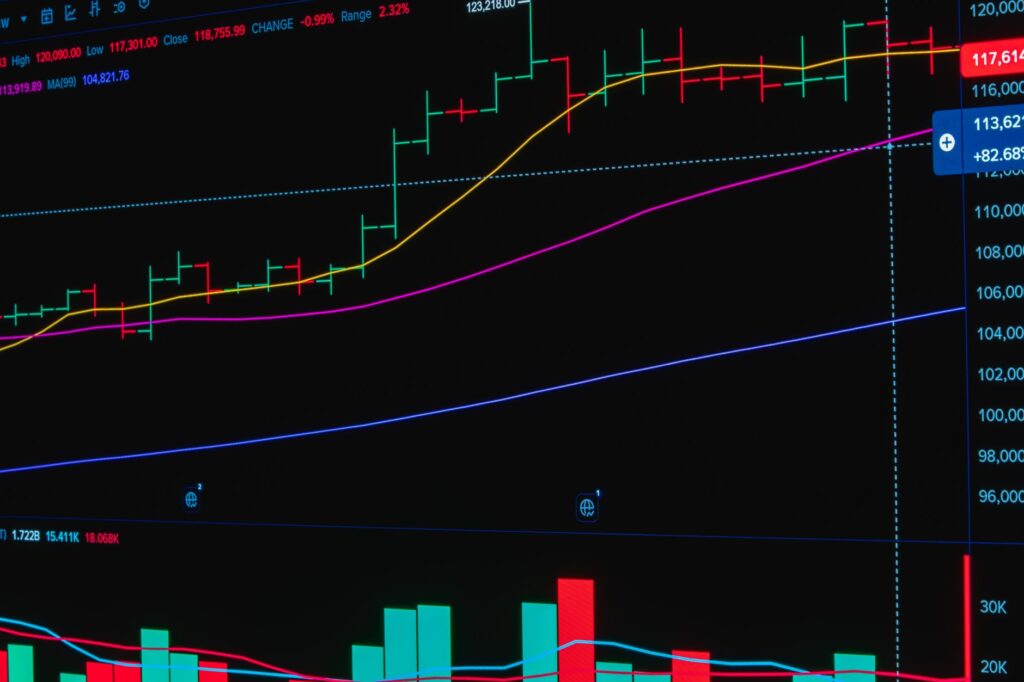
prediction markets transformation is reshaping how we view betting and forecasting. This article delves into the innovative strategies that are revolutionizing the industry.
Understanding Prediction Markets
Prediction markets have emerged as innovative platforms that leverage collective intelligence to forecast outcomes across various domains, including politics, sports, and finance. These markets operate on the principle that individuals, when given the opportunity to speculate on future events, can aggregate information more effectively than traditional methods. As the prediction markets transformation continues, participants are discovering new strategies to enhance their accuracy and engagement.
Key factors contributing to this evolution include:
- Increased accessibility: Online platforms allow broader participation, democratizing access to market insights.
- Advanced analytics: Sophisticated algorithms help in processing vast amounts of data for better predictions.
- Community engagement: Active user participation fosters a culture of sharing knowledge and insights.
These elements illustrate how the landscape of prediction markets is undergoing a significant transformation, promising exciting developments ahead.
The Rise of Betting Innovations
The landscape of betting is experiencing a significant shift as innovations emerge in the realm of prediction markets transformation. These advancements are not just enhancing traditional betting methods, but are also reshaping how individuals engage with forecasting events.
Key developments include:
- Blockchain Technology: This provides transparency and security, making transactions more trustworthy.
- Decentralized Platforms: Users can bet against each other without intermediaries, fostering a more democratic environment.
- Increased Accessibility: Mobile applications are making prediction markets available to a wider audience, breaking geographical barriers.
- Real-Time Data Integration: Enhanced analytics tools allow for better-informed betting decisions.
These innovations signify a new era in betting, where the traditional models are being challenged and redefined.
How Technology is Shaping Gambling
The landscape of gambling is rapidly evolving, largely due to advancements in technology. The transformation of prediction markets is being driven by innovative tools and platforms that enhance user experience and engagement.
Key technologies contributing to this shift include:
- Blockchain: Ensures transparency and security in transactions.
- Artificial Intelligence: Provides data analysis and improves odds calculation.
- Mobile Applications: Allow users to place bets anytime and anywhere, increasing accessibility.
As these technologies continue to develop, they are not only reshaping traditional betting practices but are also paving the way for a new era in prediction markets transformation. Stakeholders must adapt to these changes to remain competitive in the evolving gambling environment.
Key Players in the Market
The landscape of prediction markets is rapidly evolving, driven by innovative strategies and technology. Key players in this transformation include:
- Blockchain Platforms: These platforms enable transparent, decentralized betting environments that enhance trust among users.
- Data Analytics Firms: By providing sophisticated algorithms, these companies help participants make informed predictions, increasing the accuracy of outcomes.
- Regulatory Bodies: As legal frameworks adapt, regulators play a crucial role in shaping the future of prediction markets, ensuring fair practices and protecting consumers.
- Startups and Tech Innovators: Emerging companies are continuously experimenting with new models of engagement, pushing the boundaries of traditional betting.
These players collectively contribute to the prediction markets transformation, fostering a dynamic environment that promises to reshape the industry.
Challenges Facing Prediction Markets
Despite the potential for growth, prediction markets face several challenges that could hinder their transformation. One significant issue is regulatory uncertainty, as many jurisdictions have yet to establish clear guidelines for these platforms. This ambiguity can lead to operational difficulties and deter potential investors.
Another challenge is the need for increased liquidity. Without sufficient participation, prediction markets struggle to provide accurate forecasts, limiting their appeal to users. Additionally, the prevalence of misinformation can skew results and erode trust among participants.
Finally, integrating innovative technologies while maintaining user-friendly interfaces remains a balancing act. As the industry evolves, stakeholders must prioritize transparent practices and robust security measures to ensure a sustainable future for prediction markets transformation.
- Regulatory uncertainty
- Lack of liquidity
- Misinformation challenges
- Technology integration
Future Trends in Betting
The future of betting is poised for significant transformation, driven by advancements in technology and shifts in consumer behavior. As prediction markets gain traction, they are expected to redefine how users engage with wagering. Key trends shaping this transformation include:
- Increased Accessibility: Mobile platforms and user-friendly interfaces are making prediction markets more accessible to a broader audience.
- Integration of AI: Artificial intelligence is enhancing market accuracy and offering personalized betting experiences.
- Social Betting: The rise of social platforms is fostering community engagement, allowing users to share insights and strategies.
- Regulatory Changes: Evolving regulations may provide a more structured environment for prediction markets, boosting consumer confidence.
These trends illustrate how the transformation of prediction markets will not only innovate betting practices but also create new opportunities for stakeholders in the industry.
Impact of Regulation on Gambling
The impact of regulation on gambling has been profound, particularly in the context of prediction markets transformation. As governments worldwide adapt to new technologies and consumer demands, regulations are evolving to either embrace or restrict innovative betting models.
Key effects of regulation include:
- Market Access: Strict regulations can limit the entry of new players, stifling competition and innovation.
- Consumer Protection: Regulations often aim to protect users, ensuring fair play and transparency in betting activities.
- Taxation Policies: Different tax frameworks can influence the profitability of prediction markets, affecting their overall appeal.
Understanding these regulatory landscapes is essential for stakeholders aiming to navigate the complexities of prediction markets transformation and harness their full potential.
Success Stories in Prediction Markets
As prediction markets transformation continues to reshape the landscape of betting, several success stories illustrate the potential of this innovative approach. Notably, platforms such as Augur and Gnosis have gained traction by allowing users to bet on a variety of outcomes, from political events to company performances.
These platforms leverage blockchain technology to enhance transparency and trust, which has attracted a diverse user base. Success in these markets can be attributed to several key factors:
- User Engagement: Interactive interfaces that engage users in real-time.
- Decentralization: Minimizing the influence of centralized authorities.
- Community Support: Active communities that contribute to market liquidity.
As more players enter the space, these success stories are paving the way for broader acceptance and innovation in the prediction markets transformation.
Photo by Rafael Minguet Delgado on Pexels